Klima Protocol
For years, I pursued the intersection of climate change and blockchain technology. Climate change is an issue of incentive alignment at its core and that is what DeFi was built for. I recognized as early as 2017 that environmental assets like carbon credits and renewable energy credits were ideal real world assets (RWAs) to be tokenized and traded on the blockchain because they were already largely virtual in nature.
I pushed for carbon initiatives onchain. In a twist of fate, one would eventually invite me to become a co-founder of Klima. Since co-founding Klima in 2021, I have contributed in many roles from advising, early community building and marketing, developer relations and documentation, to writing and deploying the smart contracts for the Fair Launch process and Klima 2.0.
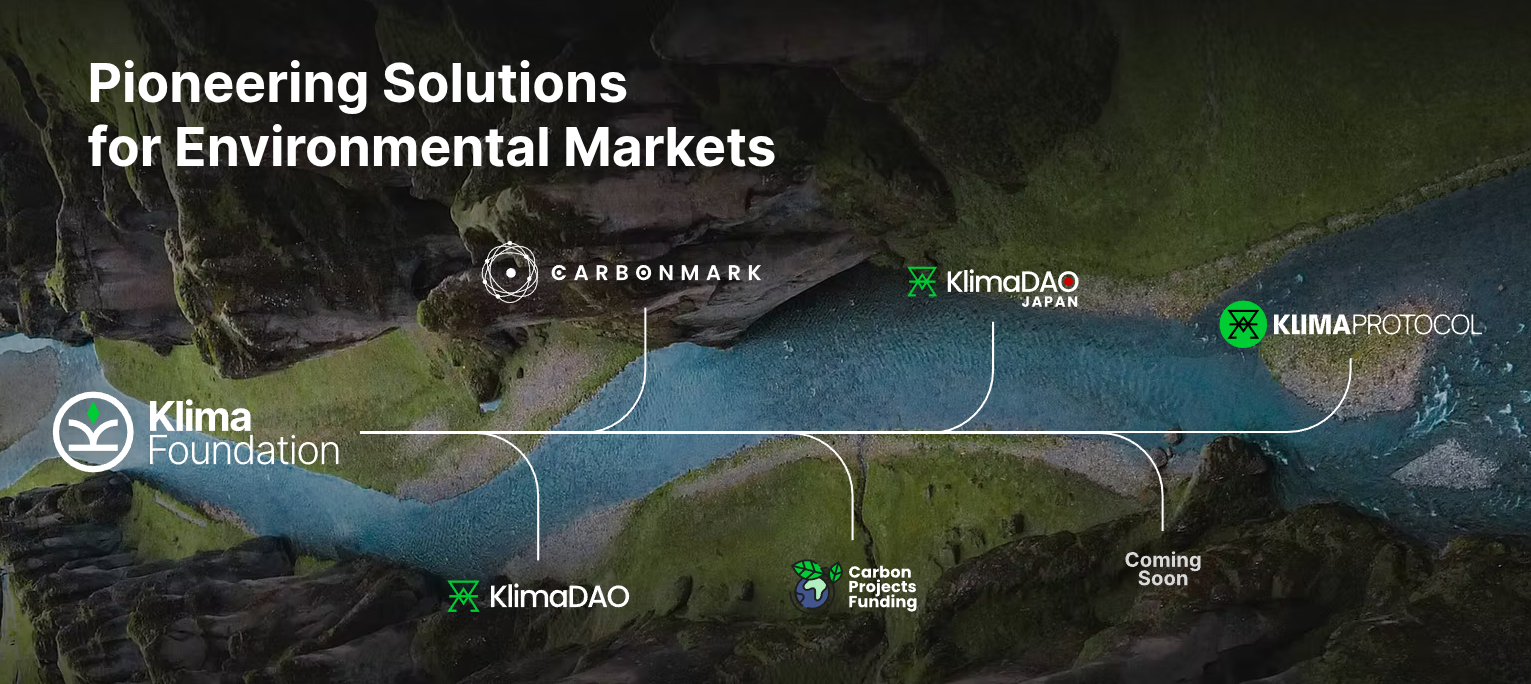
Klima Foundation drives innovation in carbon markets by developing open-source technologies like Klima Protocol and supporting projects that enhance transparency, efficiency, and impact.
Klima disrupted the carbon market; there is no longer a question whether tokenization of environmental assets like carbon credits is a good idea, but rather how to best leverage it for the greatest impact.
Klima did not achieve this progress overnight but through years of continued effort. We built an adaptive blockchain system designed to meet the needs of carbon market participants at each stage of the carbon credit lifecycle.
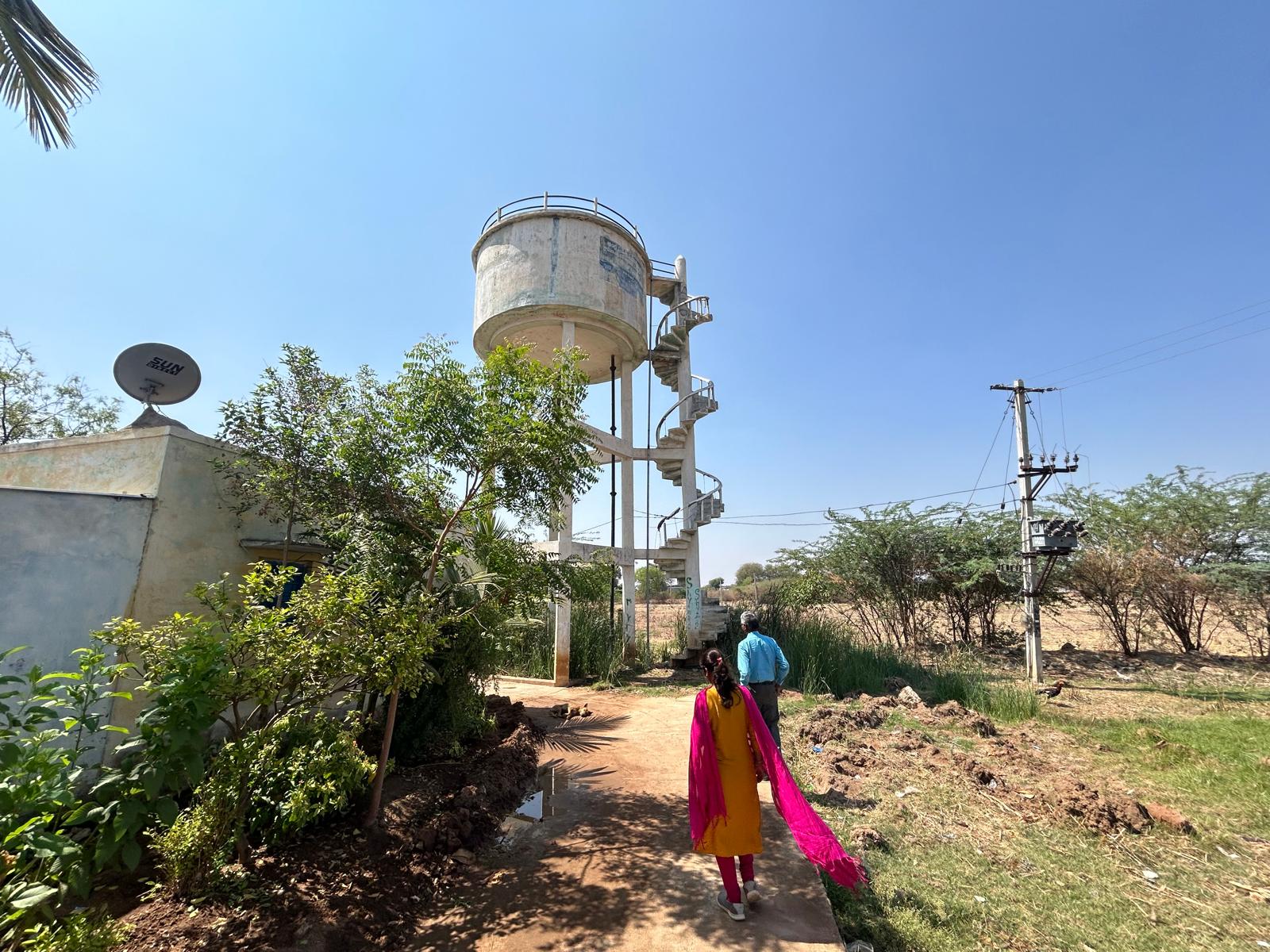
'Access to clean drinking water is essential, yet over 163 million people in rural India struggle with unsafe drinking water. In Andhra Pradesh alone, millions of residents face health risks due to water contamination. Klima Foundation has allocated $810,000 to purchase forward carbon credits from the Hygiene and Environmental Care for Tanks and Overhead Reservoirs (HECTOR) project, an innovative initiative that will provide clean drinking water to more than 217,445 people across 100 villages in the Anantapur and Guntur districts. This large-scale effort will ensure sustainable water filtration solutions through automated chlorination and UV disinfection technologies, eliminating the need for firewood and fossil fuels used for boiling water. The project is expected to reduce 138,689 metric tons of CO2 emissions annually, further aligning with Klima Foundation’s commitment to climate action, public health, and economic empowerment.' Klima Foundation Allocates Funds to Support Clean Water Project
The potential of Klima's work has also sparked a great deal of interest in the academic community, and Klima has been cited in over 250+ academic articles to date – including research by UNDP and the World Bank.

Klima 2.0: kVCM and K2
Through the Klima 2.0 Fair Launch, users staked their original KLIMA tokens to earn their share of the new kVCM and K2 tokens used in the redesigned protocol. I wrote and deployed the smart contracts for this Fair Launch process. At times, my code was securing the majority of KLIMA tokens worth millions of dollars.
Klima 2.0 launched on February 24, 2026 and is now live on Base. It uses both the kVCM and K2 tokens to discover carbon prices, move inventory, and settle trades in a single transparent system onchain.
It's more complicated than I can explain here, but you can learn more about it on the Klima Protocol website.